

The safety of patients and doctors is the main thing to take care of in any medical center, clinic, or laboratory. Every instrument that comes into contact with mucous membranes, blood, or damaged skin can transmit infections. Therefore, regular treatment of equipment and work areas is a key rule.
In modern clinics, disinfection and sterilization work together. The difference between them is simple: the first destroys most bacteria and viruses, while the second completely eliminates absolutely all forms of pathogens, including resistant spores.
The choice of the right method depends on the risk class of the product, its material, and its purpose. Let us examine the main approaches to decontamination, their strengths and weaknesses.
What Types of Disinfection of Medical Instruments Are There?
Several main approaches are used in practice. Let us examine each of them separately:
Chemical Method
This is one of the most common methods. A disinfectant solution or specialized agent acts as the main agent. It is universal, highly effective against most pathogens, and makes it possible to treat products with complex geometry and narrow channels. Modern formulations gently affect the metabolism of pathogens while protecting the material itself from corrosion.
When using it, the exposure time and concentration must be strictly observed. Some aggressive substances can damage plastic, optics, or rubber. In addition, personnel must use personal protective equipment.
Thermal (Physical) Method
It includes boiling, treatment with hot air (dry heat), or exposure to saturated water vapor under pressure (autoclaving). This method is environmentally friendly and safe, since there is no need to use a toxic chemical reagent. The steam method ensures deep heat penetration and effective destruction of spores.
The disadvantages here are similar to the previous method: high temperatures are far from suitable for every material.
Combined Approach
It combines the sequential use of several technologies: for example, ultrasonic cleaning in a special bath with a special solution followed by thermal or steam treatment. This often makes it possible to achieve maximum effect with minimal equipment wear.
How to Disinfect Premises in Medical Institutions?
Decontamination of equipment will not provide the proper result if the premises themselves remain a source of infectious threat. Pathogenic bacteria and viruses easily settle on surfaces and remain viable in the air for a long time.
A comprehensive approach is used for high-quality sanitary treatment of premises:
- Wet cleaning. Every open surface (tables, examination couches, medical devices) is wiped daily with special solutions.
- Air decontamination. The use of ultraviolet irradiation makes it possible to destroy viral and bacterial particles circulating in the room in a short time.
Without simultaneous treatment of surfaces and air, some microorganisms remain in the premises. This significantly reduces the effectiveness of the disinfection performed.
Features of Quartz Irradiators
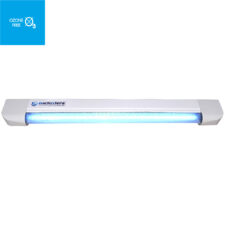
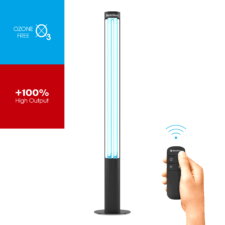
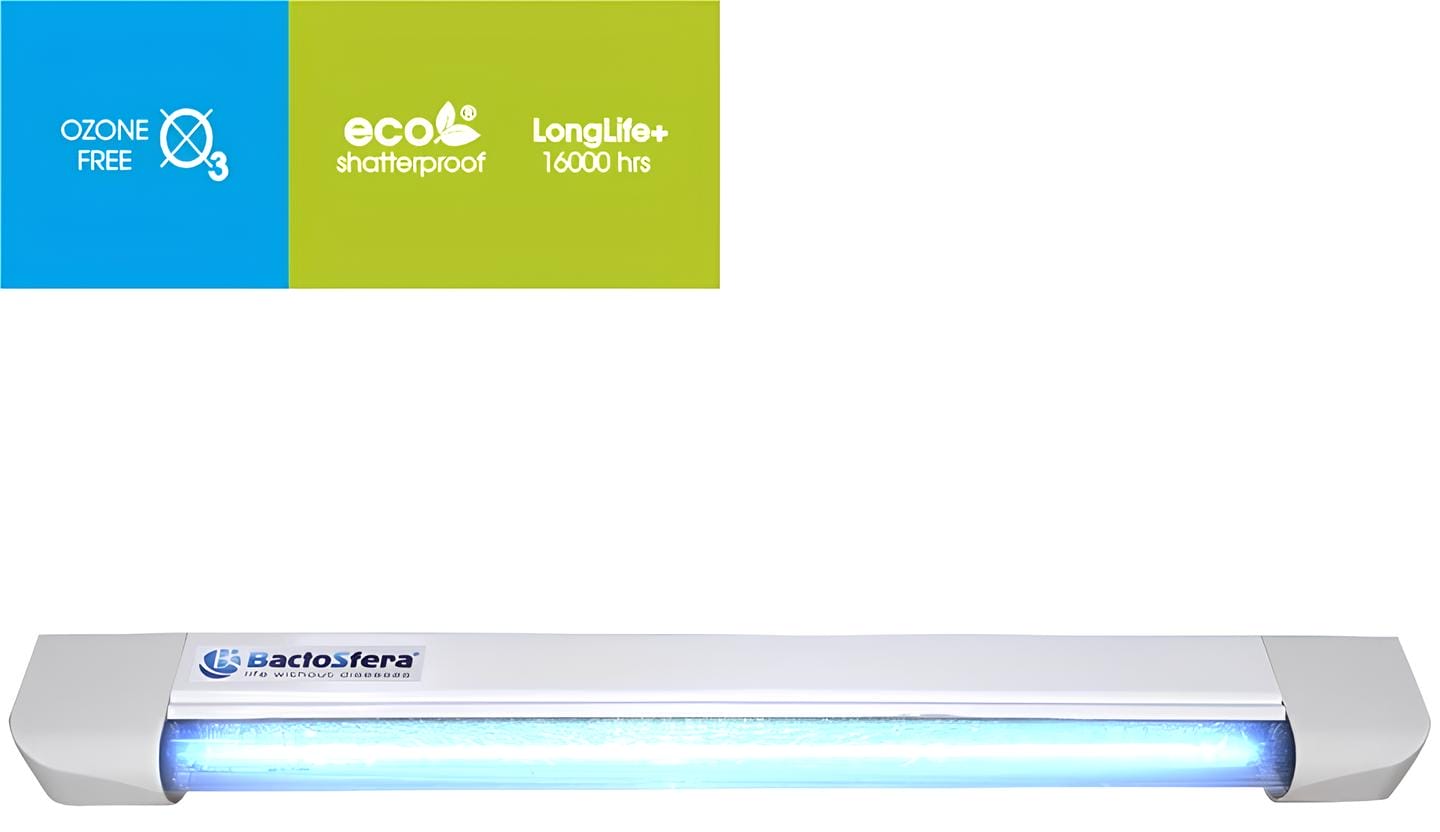
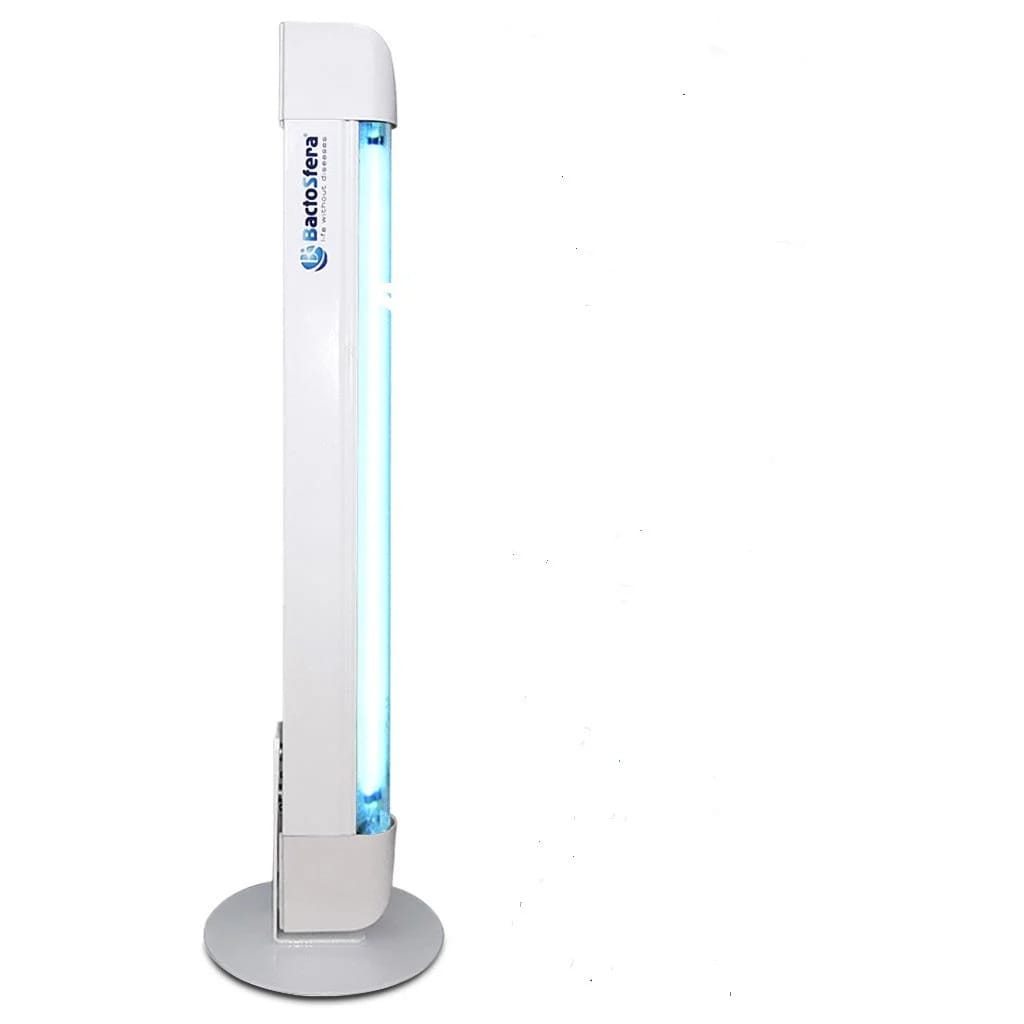
If you need to ensure the sterility of the air and work areas, high-quality quartz and bactericidal lamps will handle this task at the highest level.
Key features and advantages of ultraviolet decontamination:
- Broad spectrum of action. UV rays destroy the DNA and RNA of microorganisms, leaving them no chance to reproduce.
- Contactless method. Ultraviolet light penetrates the most hard-to-reach places where it is impossible to perform chemical treatment by wiping.
- Safety (for closed types). Modern ozone-free recirculators make it possible to disinfect the air directly while people are present in the room.
In recent years — especially during the pandemic surges of 2022 and 2023 and earlier — air cleanliness requirements have increased many times over. Therefore, the use of bactericidal units has become an absolute standard for operating rooms, treatment rooms, and dental offices.
Why Choose Bactosfera Products
Bactosfera is a recognized leader in the development and production of specialized decontamination equipment. All devices undergo strict quality control and comply with international standardized medical safety standards. Premium UV glass and durable components that prevent the release of harmful ozone in dangerous concentrations are used in production.
The brand's range includes both powerful stationary irradiators for large operating rooms and compact mobile devices. Quick replacement of consumables is always available — you can easily select original accessories, lamps, and components for uninterrupted operation of the equipment.
Conclusions
High-quality disinfection and sterilization is a process that requires the proper selection of methods and means. When precise chemical treatment of each instrument is combined with regular air decontamination, the risks of infections are reduced to zero. The main thing is to choose the right method and agent so that protection is truly reliable for both doctors and patients.