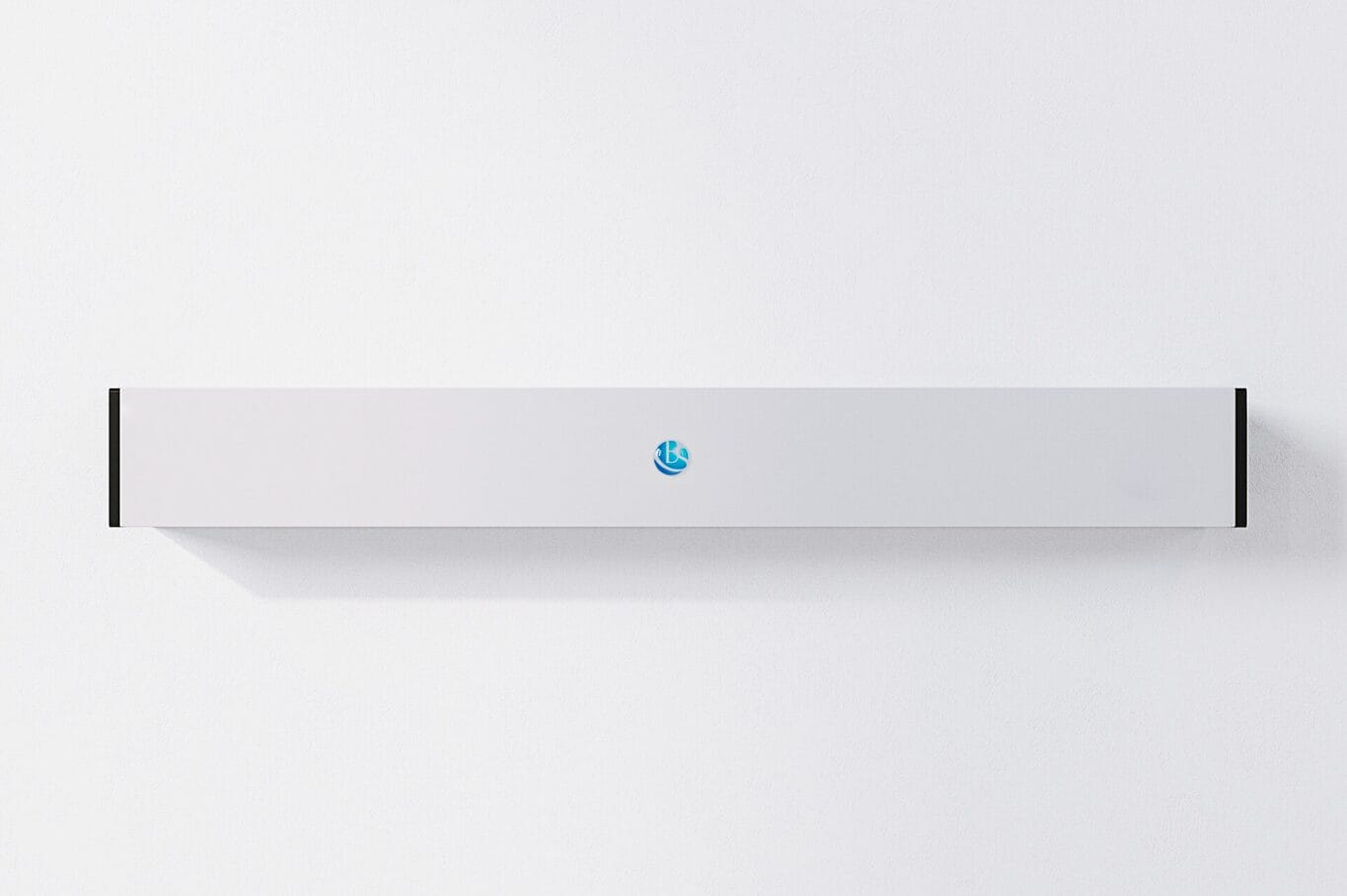
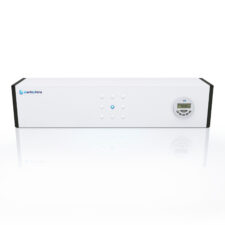
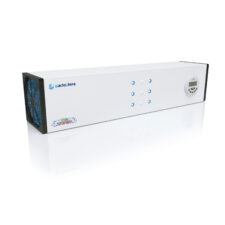
Dozens of people pass through the interior of a medical vehicle every day, so there are a great many microbes in the air. To reduce the risk of spreading infections, the vehicles are fitted with special devices — recirculators. In this article, we’ll explain what these devices do, how to choose a recirculator for medical transport, and which disinfection rules should be followed. We’ll also explain why you should choose equipment from the manufacturer Bactosfera for this purpose.
The main function of recirculators for medical vehicles
A recirculator is a sealed device that passes the cabin air through a chamber containing an ultraviolet lamp. Unlike open germicidal lamps, the rays do not escape to the outside, so the device is safe for patients and medical staff. Essentially, it is a separate air purification system that operates independently of the vehicle’s ventilation and air-conditioning systems.
Under the influence of ultraviolet light, the DNA and RNA of microorganisms are destroyed. In particular, the following are eliminated:
- bacteria, including the pathogens responsible for tuberculosis and staphylococcus;
- viruses, including influenza and coronaviruses;
- mould fungi and spores, which can cause allergies or respiratory tract infections.
The process takes place continuously whilst the device is switched on. Consequently, the air inside the vehicle is purified throughout the journey, and the risk of re-infection during the next call-out is reduced.
In addition to destroying microbes, the device can be used to remove unpleasant odours from the air — such as those from medicines, antiseptics or bodily fluids — which are particularly noticeable in the confined space of the vehicle’s interior.
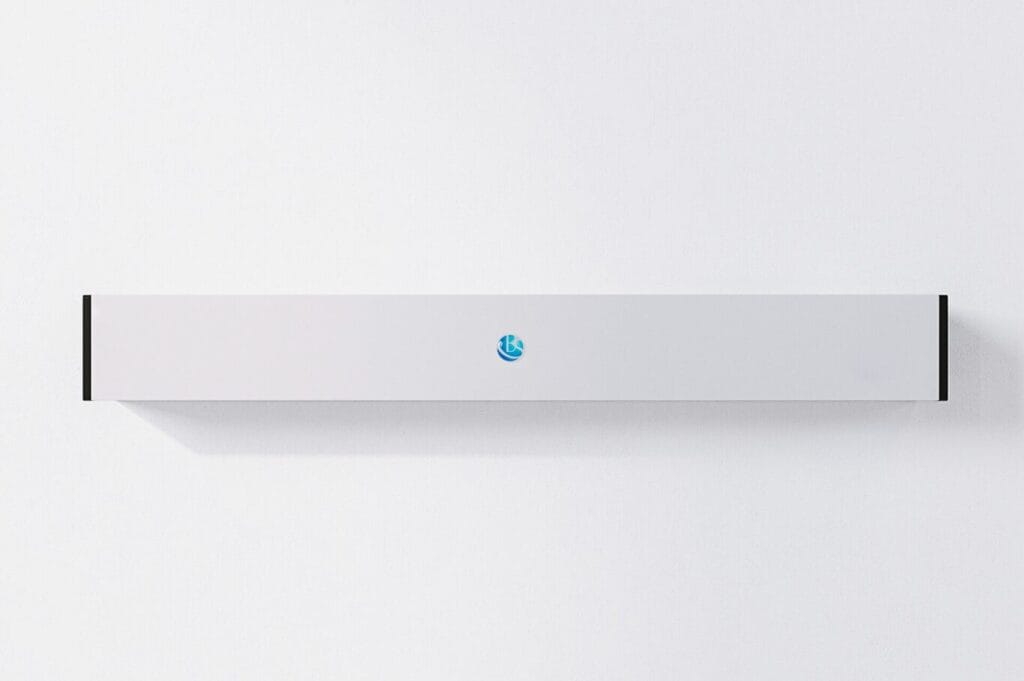
How to choose bactericidal recirculators for medical transport?
The choice of a recirculator for an ambulance or other medical vehicle depends not only on its bactericidal properties, but also on how well the device is suited to operating conditions within the vehicle. Here’s what you should look out for before buying:
- Performance. This is measured in cubic metres of air per hour and is selected to match the cabin volume — the smaller the space, the lower the capacity required to ensure the air is fully treated throughout the journey.
- Lamp type. Recirculators use either mercury or amalgam UV lamps. Amalgam lamps have a longer service life and are more resistant to temperature fluctuations, making them suitable for vehicles operating in freezing conditions.
- Power supply. For a vehicle, it is important that the unit operates from the 12 or 24 V on-board electrical system, rather than just from a standard mains socket; otherwise, the recirculator will have to be switched off whilst the vehicle is in motion.
- Mounting. The best option for medical transport is a compact model that can be mounted on a wall or the ceiling of the passenger compartment, often next to the air conditioning unit. This ensures it does not interfere with the crew’s work or the movement of stretchers.
- Noise level. In a vehicle where resuscitation or patient monitoring equipment is already in operation, the additional hum from the recirculator’s fan disturbs both the medical staff and the patient; therefore, it is advisable to opt for models with a quiet fan.
- Lamp lifespan. Manufacturers specify the service life of the UV lamp in operating hours — this determines how often it will need replacing and how much it will cost to maintain the unit over the course of a year.
- Operating conditions. In medical transport, recirculators operate under conditions of constant vibration whilst in motion, are frequently switched on and off, and are exposed to dust and vapours from disinfectants. Therefore, before installation, it is worth checking whether the manufacturer permits such operation and what installation requirements they specify.
- Access to the unit for regular maintenance. It is important that the unit is easily accessible — for replacing the lamp, cleaning the housing and ventilation openings, and checking the fan’s operation. Therefore, sufficient space should be left during installation to allow for maintenance.
Before starting to use the unit, you should also check that the ventilation openings are not blocked — effective air circulation through the chamber and the unit’s actual performance depend on this.
It is also worth checking the unit’s certification separately — a recirculation unit for medical transport must comply with the health and safety standards applicable to healthcare facilities, not just those for domestic use. This is confirmed by the relevant documentation from the manufacturer. If this information is not available on the shop’s website, you should request it separately at the time of purchase.
The price of a recirculator usually depends on its performance, the number of lamps and the brand. Before buying, it is worth comparing several models with roughly the same technical specifications — this makes it easier to assess exactly what you are paying extra for in each specific model.
Rules for disinfecting vehicles
The disinfection of medical transport is carried out in a strict sequence, so the team should follow the same procedure after every call-out. First, visible contamination — such as blood, mucus or other bodily fluids — is removed from surfaces, and only then is disinfection carried out. If a contaminated surface is treated with a disinfectant solution straight away, without prior cleaning, the disinfectant is less effective.
Treatment is carried out after each patient. This applies not only to stretchers and handrails that have been touched by hand, but also to:
- the upholstery of seats and headrests in the cabin;
- door handles, drawers and medical cupboards in the passenger compartment;
- the surfaces of medical equipment — blood pressure monitors, pulse oximeters, defibrillators;
- the floor, particularly the areas near the stretchers.
The disinfectant solution is applied in accordance with the manufacturer’s instructions — the concentration, method of application and contact time on the surface must not be altered. If the solution is left on for less than the specified time, some microorganisms will remain alive, and the disinfection process becomes ineffective.
When handling disinfectants, the team wears gloves and, where necessary, a face mask, as prolonged contact with some solutions can irritate the skin and respiratory tract. Once the chemical treatment is complete, wipes and other consumables are disposed of separately from household waste in accordance with medical waste management regulations.
The air recirculator is switched on separately, as it disinfects the air rather than the interior surfaces. Ventilation after chemical treatment is also mandatory, particularly if the next patient is due to arrive in the car immediately after cleaning has finished.
Each instance of disinfection carried out is recorded in the relevant logbook or electronic record – noting the time, date and the product used. This makes it possible to monitor compliance with the treatment schedule and, if necessary, quickly ascertain when and by what method a specific vehicle was treated.
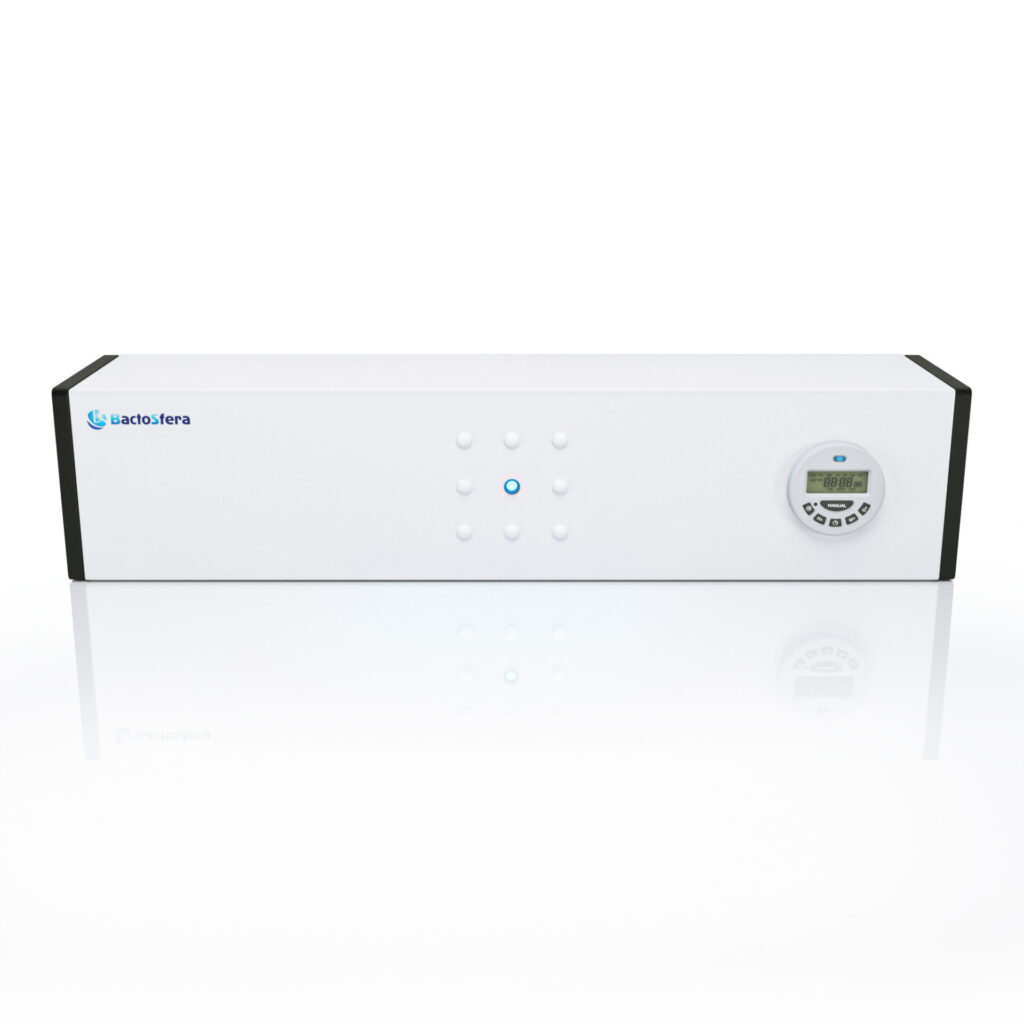
Why choose products from Bactosfera
For medical transport, compactness, reliability and the ability to carry out regular air treatment without unnecessary complications are particularly important. That is why we recommend purchasing recirculators from our shop.
Bactosfera is a Ukrainian manufacturer of bactericidal equipment. Having our own production facilities allows us to control product quality at various stages — from design development to the finished product. We are also constantly improving our products, taking into account modern requirements for ventilation, filtration and air quality.
Our range includes recirculators and bactericidal lamps of various power ratings, so you can choose exactly the right option for your medical vehicle to suit the size of the cabin — from compact 15 W models to more powerful ones. Each model comes with documentation confirming compliance with health and safety standards, and the products are covered by a warranty — for most models, this is 3 or 5 years. We also provide technical support.
On the Bactosfera website, you can view the current range, compare specifications and select equipment to suit the specific requirements of your vehicle. If you are unsure about which model to choose, please contact our specialists — they will help you identify the best option.